1 Riversdale Road, Milnerton Cape Town 7405
Mon-Sun: 24 Hour service
1 Riversdale Road, Milnerton Cape Town 7405
Mon-Sun: 24 Hour service
Shopping Cart
  • No products in the cart.
  • Electric Vehicle Charging Station Installation in cape town, qualified electrician near me, certified electricians, registered electrical contractors in cape town
    Certified EV charger installers in Western Cape . We install home & commercial charging points. Tesla, BMW,Hager & other brands supported.
    Electric Vehicle Charging Station Installers

    Want to charge your electric vehicle at home without the hassle? Amptex makes it easy with professional EV charger installation services across Western Cape, Cape Town CBD, Atlantic Seaboard, Stellenbosch and Surrounding Suburbs.

    Skip the queues at public charging stations and enjoy the freedom of having your own EV charging point at home. Our qualified electricians near you will safely install a compliant, efficient charging station customised for your home setup.

    No stress, no waiting — just plug in and power up anytime you need.

    Contact Toptronic today to get your home EV charger installation sorted quickly and professionally!
    Why Choose Toptronic for EV Charger Installations?

    With over 10 years of electrical experience, Toptronic is your go-to team for safe, professional EV charger installations in Cape Town and surrounding suburbs.

    Our licensed electricians handle everything — from residential home charging points to commercial parking centre installations. We work quickly, safely, and with full compliance to South African regulations.

    Get transparent pricing, expert advice, and clean, efficient installation. Whether you’re charging at home or providing EV charging points for your tenants, Toptronic has you covered.

    Book your EV charger installation today and charge smarter with Toptronic!

    Charging an EV involves the transmission of high current which poses a fire/safety risk if not conducted correctly.  

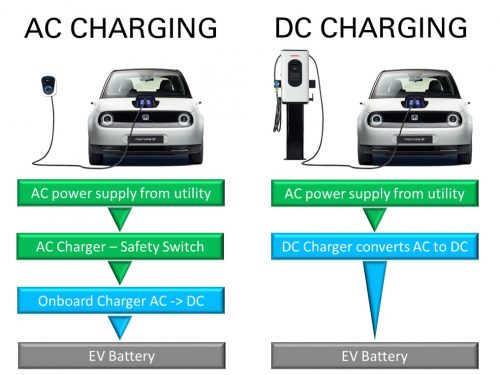
    Electric vehicles (EVs) are fitted with an onboard charger which converts alternating current (AC), the type of electricity powering home appliances, to direct current (DC), the type of electricity required to charge EV batteries.

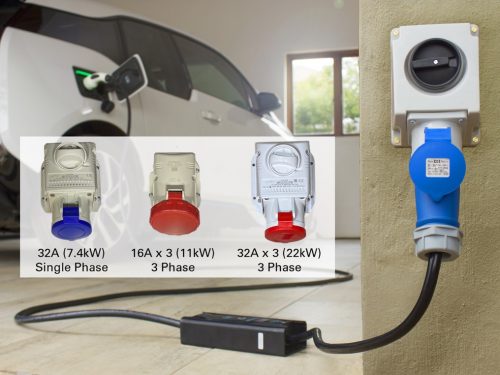
    An “AC Charger” is essentially an intelligent switch which informs the EV how much power it can draw, determined by the capacity of socket or electrical installation. Once the safety checks are completed it activates the switch to supply AC power to EV. The charge rate is limited by the vehicle’s onboard charger, typically up to 11kW, 3-phase. AC chargers are the most common and cost effective means of EV charging.

    DC Chargers or “superchargers” deliver the fastest possible charge rate. The technology is more complex and expensive that AC charging technology since the AC to DC rectifier is located in the charging station. Large DC charge stations can deliver up 350 kW, however the charge rate will be limited to the EV, typically between 50kW and 100kW. The high cost of DC Charge stations and electrical infrastructure limits their application to public charging facilities on national highways or dedicated fast charging facilities.

    . And because all of our technicians are licensed, background checked, and professionally trained, you’re guaranteed to receive the best quality service and workmanship available when you call us. We can assist with all your electric needs including:

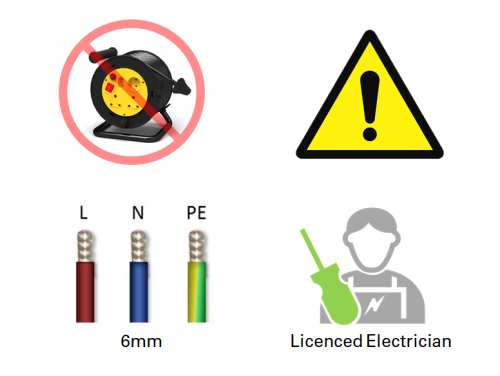
    • Charging from a domestic socket is safe when the electrical installation was performed by a licenced electrician. If in doubt, rather charge at a lower rate (eg. 10 Amps).
    • Level 2 Charge Stations must only be installed by a licenced electrician who can issue a CoC for the installation. Ensure that these chargers are installed using a 6mm2 power supply cable as they can draw up to 32 Amps continuously for extended periods of time.
    Electric vehicles (EVs) are fitted with an onboard charger which converts alternating current (AC), the type of electricity powering home appliances, to direct current (DC), the type of electricity required to charge EV batteries. An “AC Charger” is essentially an intelligent switch which informs the EV how much power it can draw, determined by the capacity of socket or electrical installation. Once the safety checks are completed it activates the switch to supply AC power to EV. The charge rate is limited by the vehicle’s onboard charger, typically up to 11kW, 3-phase. AC chargers are the most common and cost effective means of EV charging. DC Chargers or “superchargers” deliver the fastest possible charge rate. The technology is more complex and expensive that AC charging technology since the AC to DC rectifier is located in the charging station. Large DC charge stations can deliver up 350 kW, however the charge rate will be limited to the EV, typically between 50kW and 100kW. The high cost of DC Charge stations and electrical infrastructure limits their application to public charging facilities on national highways or dedicated fast charging facilities.
    Electric vehicles (EVs) are fitted with an onboard charger which converts alternating current (AC), the type of electricity powering home appliances, to direct current (DC), the type of electricity required to charge EV batteries. An “AC Charger” is essentially an intelligent switch which informs the EV how much power it can draw, determined by the capacity of socket or electrical installation. Once the safety checks are completed it activates the switch to supply AC power to EV. The charge rate is limited by the vehicle’s onboard charger, typically up to 11kW, 3-phase. AC chargers are the most common and cost effective means of EV charging. DC Chargers or “superchargers” deliver the fastest possible charge rate. The technology is more complex and expensive that AC charging technology since the AC to DC rectifier is located in the charging station. Large DC charge stations can deliver up 350 kW, however the charge rate will be limited to the EV, typically between 50kW and 100kW. The high cost of DC Charge stations and electrical infrastructure limits their application to public charging facilities on national highways or dedicated fast charging facilities.
    EV / Electric Vehicle Charging PLUGS

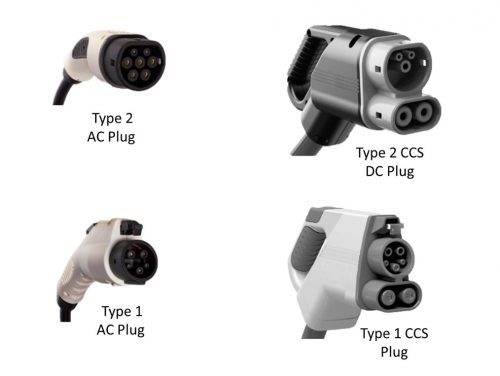
    The Type 2 Plug is the standard plug for electric vehicle AC charging in South Africa and the European Union. The plug supports single or three-phase AC charging.

    The Combined Charging System (CCS 2) is an extension of the Type 2 plug providing direct current (DC) contacts for high-power DC fast charging. This is the standard for all public DC Charge Stations in South Africa.

    The Type 1 Plug is the standard plug for electric vehicle charging in the United States and Japan. The 1st generation Nissan Leaf is the only EV in SA that uses this type of plug.

    The Combined Charging System (CCS 1) is an extension of the Type 1 plug providing direct current (DC) contacts for high-power DC fast charging. In Japan a dedicated CHAdeMO connector is used for DC charging.

    Tesla uses its own charge plug and ecosystem for its supercharging network in the U.S but has adopted the Type 2 / CCS 2 standard in Europe. Tesla is expected to adopt the Type 2 / CCS 2 standard for South Africa.

    The Type 2 Plug is the standard plug for electric vehicle AC charging in South Africa and the European Union. The plug supports single or three-phase AC charging. The Combined Charging System (CCS 2) is an extension of the Type 2 plug providing direct current (DC) contacts for high-power DC fast charging. This is the standard for all public DC Charge Stations in South Africa. The Type 1 Plug is the standard plug for electric vehicle charging in the United States and Japan. The 1st generation Nissan Leaf is the only EV in SA that uses this type of plug. The Combined Charging System (CCS 1) is an extension of the Type 1 plug providing direct current (DC) contacts for high-power DC fast charging. In Japan a dedicated CHAdeMO connector is used for DC charging. Tesla uses its own charge plug and ecosystem for its supercharging network in the U.S but has adopted the Type 2 / CCS 2 standard in Europe. Tesla is expected to adopt the Type 2 / CCS 2 standard for South Africa.
    Electrical Terms

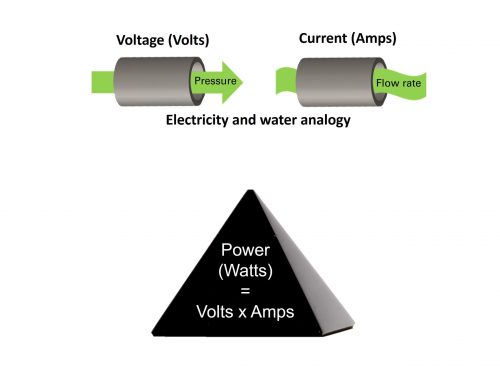
    Amps (A) is the measuring unit for electric current. South African domestic sockets can supply up to 16 Amps current.

    Volts (V) is the measuring unit for electrical potential. South Africa’s standard domestic supply voltage is 230 Volts.

    Watt (W) is the measuring unit for electrical power. Electric power is calculated by multiplying the voltage by the current. The power rating for a South African domestic socket is therefore 16Amps x 230Volts = 3.7kW.

    Kilowatt-hour (kWh) is the measuring unit for electrical power consumption. It is used by electricity utility providers to bill users for the amount of electricity consumed. It is the energy provided in one hour by one kilowatt of power. The capacity of Electric Vehicle batteries is also measured in kWh.

    Amps (A) is the measuring unit for electric current. South African domestic sockets can supply up to 16 Amps current. Volts (V) is the measuring unit for electrical potential. South Africa’s standard domestic supply voltage is 230 Volts. Watt (W) is the measuring unit for electrical power. Electric power is calculated by multiplying the voltage by the current. The power rating for a South African domestic socket is therefore 16Amps x 230Volts = 3.7kW. Kilowatt-hour (kWh) is the measuring unit for electrical power consumption. It is used by electricity utility providers to bill users for the amount of electricity consumed. It is the energy provided in one hour by one kilowatt of power. The capacity of Electric Vehicle batteries is also measured in kWh.
    Amps (A) is the measuring unit for electric current. South African domestic sockets can supply up to 16 Amps current. Volts (V) is the measuring unit for electrical potential. South Africa’s standard domestic supply voltage is 230 Volts. Watt (W) is the measuring unit for electrical power. Electric power is calculated by multiplying the voltage by the current. The power rating for a South African domestic socket is therefore 16Amps x 230Volts = 3.7kW. Kilowatt-hour (kWh) is the measuring unit for electrical power consumption. It is used by electricity utility providers to bill users for the amount of electricity consumed. It is the energy provided in one hour by one kilowatt of power. The capacity of Electric Vehicle batteries is also measured in kWh.

    South Africa’s Online EV Charge Shop · Electric Vehicle charging solutions for home and business · Portable EV Chargers · EV Charging Stations · EV Charging Cables, call us at +27 73 409 4390. 

    REQUEST A QUOTE